Which LLM models should you choose between GPT, Deepseek, Mistral and Claude?
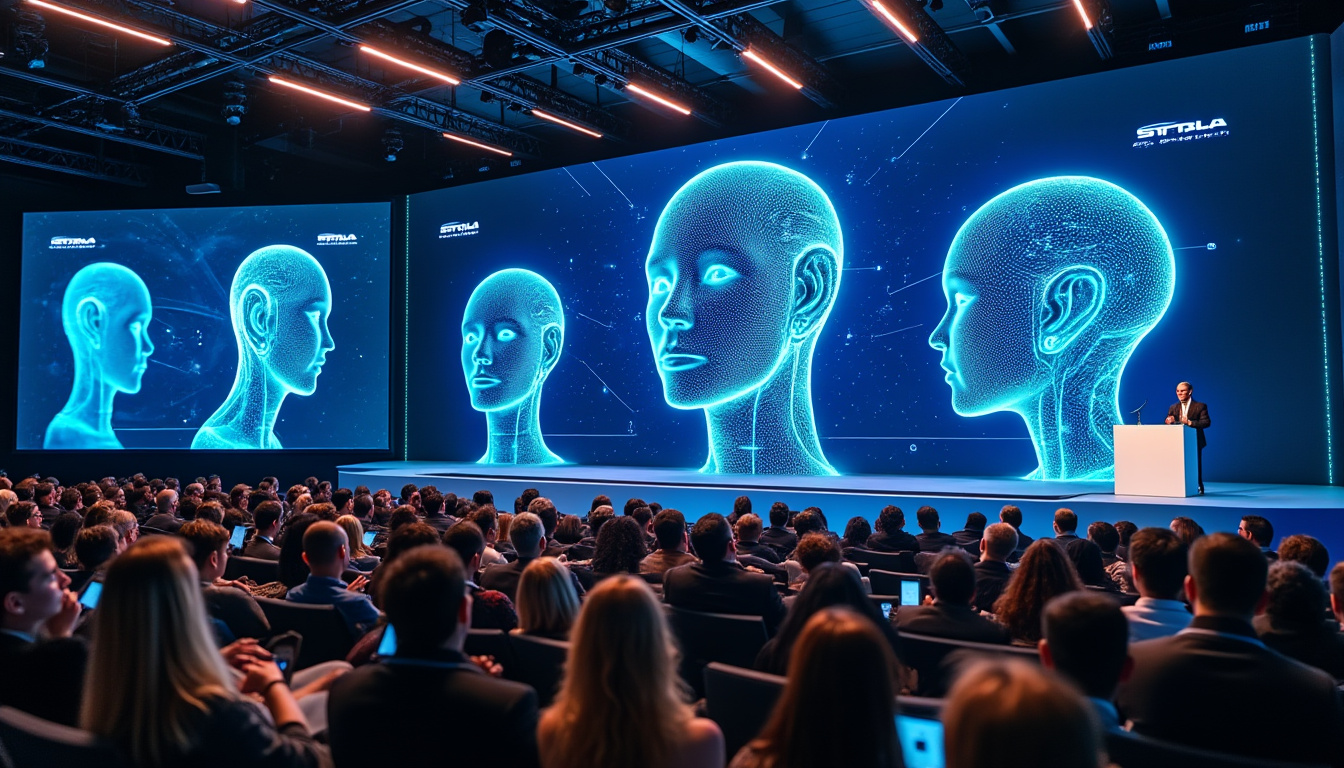
In a rapidly changing digital landscape, the emergence of large language models, particularly those such as GPT, Deepseek, Mistral, and Claude, is not only transforming communication practices but also redefining our understanding of artificial intelligence. Companies seeking the best solutions to optimize their processes are faced with a multitude of options and challenges. At the conference organized by Numerikissimo on April 22, 2025, experts and professionals gathered to explore these tools in a practical and explicit manner. This meeting highlighted the real-world uses, as well as the advantages and limitations of various artificial intelligence technologies. Understanding Large Language Models (LLM)Before choosing a language model, it is essential to understand what language models are, how they work, and their impact on natural language processing. These models, trained on huge text datasets, enable text generation, query understanding, and user interaction. The Benefits of Natural Language ProcessingNatural language processing (NLP) involves enabling computers to understand, interpret, and generate human language in a meaningful way. This involves several machine learning techniques that are the basis of language models. Here are some of the most common applications: Automatic content creation Customer query resolution via chatbots Sentiment analysis to understand customer perceptionsPersonalization of product recommendations
Focus on the main players: GPT, Deepseek, Mistral, and Claude
Each of these models has its own characteristics, strengths, and weaknesses, making them more or less suitable depending on the context of use. ModelStrengths
Limitations
GPT Ease of use, versatile Performance sometimes unsatisfactory for specific tasksDeepseek GDPR compliance, fast processing
- Limited by its access to certain data
- Mistral
- Efficient in language processing, fast
- New to the market, therefore less feedback
Claude
Excellent ability to understand code
| Less intuitive for novice users | What strategies should be adopted to choose the right model? | During the conference, several recommendations emerged, each based on the experience of the experts present. Selection criteria should be based not on popularity or media hype, but on more concrete elements applicable to your needs. |
|---|---|---|
| Assess your company’s specific needs | Before making a choice, it is essential to analyze your precise requirements. Here are some key questions to ask yourself: | What is the volume of data to be processed? |
| What types of tasks do you want to automate? What is your level of internal expertise to integrate these tools? | Are you sensitive to data security issues? | Testing and Iterating: A Pragmatic Approach |
| It is also advisable to conduct regular tool tests to optimize your choice. This means dedicating a reasonable amount of time to each tool to avoid wasting resources. For Guillaume Calfati, an AI consultant, it is crucial to constantly monitor model developments while remaining focused on day-to-day operations. | It is important to find the balance between experimentation and efficiency. Identifying the tools that specifically meet your expectations will allow you to more precisely direct your technology investments. It is important to thoroughly document this process to share feedback within the team. | Towards a Transformation of Professions: The Impact of Generative AI |
| The growing presence of artificial intelligence models in the professional world is significantly changing the landscape of many professions, particularly those related to software development. The conference addressed this topic in depth, highlighting the implications of integrating AI into business processes. | A New Era for Software Development | IT developers, for example, are already facing this transformation. Guillaume Calfati indicated that coding is increasingly done using multiple AI tools simultaneously, which is creating a new dynamic in the development process: |
Collaboration between multiple AI assistants for increased efficiency
Automation of repetitive tasks
Improved code quality through real-time suggestions
Accelerated development cycles
- What organizational impacts can be expected?
- This evolution requires companies to adapt their internal structures. Many speakers emphasized the importance of creating customized interfaces that meet specific needs, thus leading to a reorganization of internal departments, particularly IT departments. This dynamic presents challenges, but also opportunities to innovate and stand out in the market.
- Aspect
- Positive Consequence
Challenge to Overcome
Collaboration
Improved Communication Between Teams
Resistance to Change
Efficiency
Process Delays Through Automation
Agility Required to Adopt New Methods Quickly
- Training
- New Roles Emerging, Requiring Diverse Skills
- Need for Continuing Training
- Reflections on the Reliability and Limitations of Generative Artificial Intelligence
Despite their promise, these AI models are not without flaws. Experts like David Fayon emphasize the need to verify the veracity of the results produced by these tools. Generative AI, while advanced, can sometimes produce inaccurate or biased texts, making human review essential.
The Importance of Human Review
| Every product generated by models like GPT or Claude requires critical scrutiny. It is crucial to have mechanisms in place to validate information and results before publishing them or using them in a professional setting. Here are some best practices: | Implement peer reviews for generated content | Test results with alternative tools to cross-reference information |
|---|---|---|
| Encourage internal expertise in the use of these tools | Anticipate the future with discernment | Continuing advances in the field of artificial intelligence and language models make predicting a future where these technologies play a central role inevitable. However, it is also essential to analyze the ethical, security, and integrity issues looming on the horizon. Companies must approach this potential future with discernment and creativity. |
| If your company aspires to integrate these tools, also keep in mind the importance of organizational culture in the adoption of new technologies. It is this culture that will determine whether AI will be perceived as a valuable aid or a hindrance. | ||