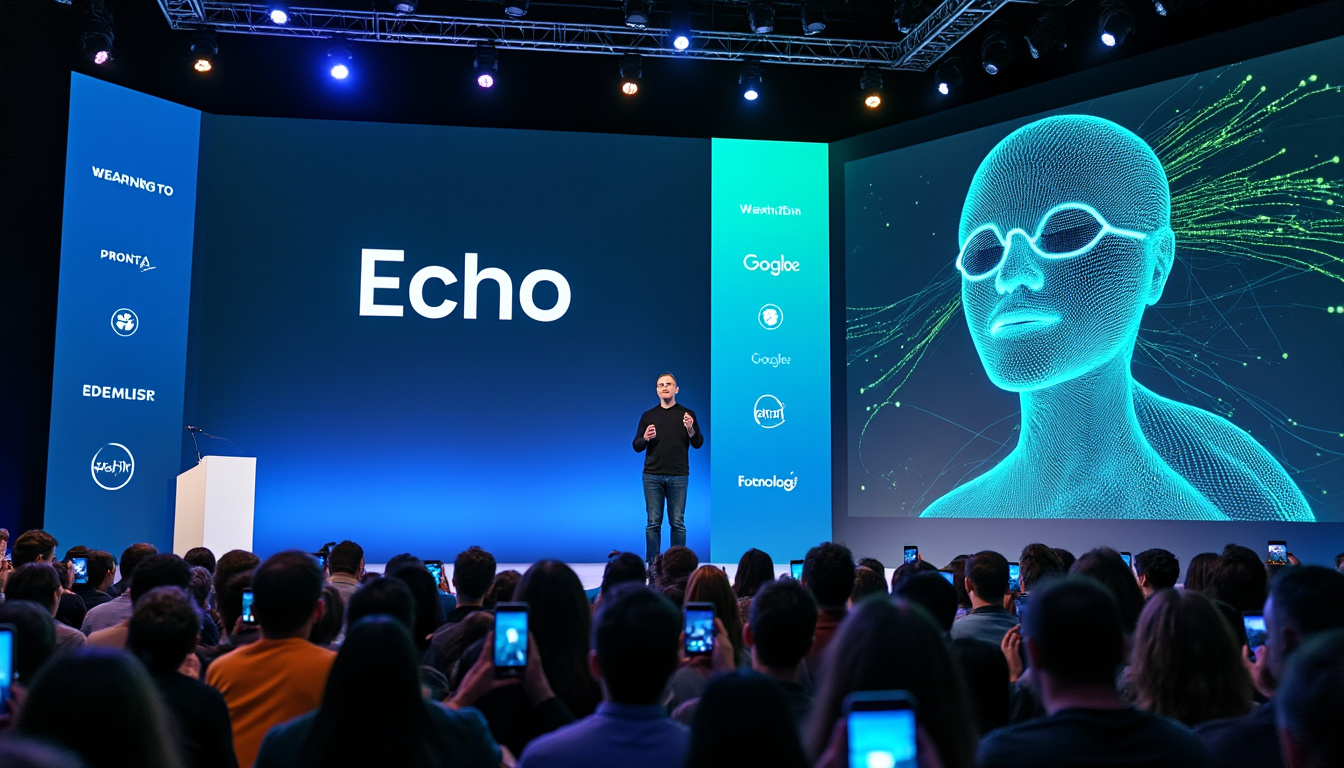
The founder of Twitter unveils a new open-source artificial intelligence agent!
Jack Dorsey is making a significant new entry into the AI sector with his open-source agent, called Goose. This innovative tool, designed especially for developers, is set to transform the software development landscape by automating various tasks while providing creative possibilities. With a reputation as a pioneer in the world of technology, Dorsey, through his company Block, known for services like Cash App and Square, presents a desire for transparency and collaboration that could redefine the traditional approach to artificial intelligence .
Goose clearly differentiates itself from traditional tools due to its advanced capabilities, allowing not only code suggestions, but also performing concrete actions such as installing dependencies or running tests. This represents a significant step forward for developers looking to increase efficiency. The promise of time savings of up to 20% on repetitive tasks is notable in a constantly changing environment.
A bold open-source approach
In a world where most tech giants opt for closed business models and proprietary solutions, Dorsey’s choice to go for an open-source model with Goose is a bold one. The framework proposed by the Apache 2.0 license allows the developer community to not only use the tool, but also to improve it collectively. Dhanji Prasanna, CTO of Block, emphasizes that “open-source creates a framework for new heights of innovation”, thus solidifying Dorsey’s vision.
The modularity of Goose is a key aspect that attracts attention. Developers can choose to integrate some of the most advanced language models like Claude 3.5 Sonnet or OpenAI and make customizations according to their needs. This level of flexibility is essential in a technology environment where requirements are changing rapidly.
Goose’s innovative features
Goose will outline functions that go far beyond the expectations of a simple coding wizard. Indeed, not only will it automate routine tasks, but it also integrates extensions for seamless interconnection with platforms like GitHub and Google Drive. The capabilities of this AI agent offer developers the ability to create a customizable ecosystem that meets the specific needs of their projects.
One of the sticking points with current tools is the difficulty in juggling different development environments. Goose offers a concerted solution, allowing you to manage various language requirements while maintaining a consistent workflow. Anecdotes and pilot projects already underway demonstrate a potential revolution in the way development is approached, especially when it comes to managing dependencies and testing, often considered bottlenecks in the development cycle.
The creative applications envisaged
Beyond engineers, Block aspires for Goose to find his place in more creative fields. For example, Music Generation is under consideration, a smart move for a company that owns Tidal. This raises interesting questions about the prospects for collaboration between musicians and software engineers, shedding light on a new dynamic of artistic creation. Goose’s flexibility will allow non-technical people to adopt it for tasks such as calendar management or data analysis, transforming daily operations.
Goose’s potential in terms of creativity and innovation is immense. Users are already exploring ways to integrate artificial intelligence functionalities into their business processes, looking for solutions that optimize both results and working time. The idea of a tool that merges development and creativity is impactful, because it addresses the human side of technology, thus giving voice to innovation again.
Security and governance of open-source projects
With all these advantages, security remains a major issue for Block and Goose. The open-source nature of a project raises concerns about the quality and security of community contributions. Block will implement rigorous safeguards to ensure that the quality of the tool, as well as protection against abuse, is ensured while enabling open innovation. The crucial question remains: how to find this delicate balance between openness and security?
Additionally, in terms of governance, a robust framework will be necessary to manage external contributions. Block will need to ensure that each addition actually improves the function of Goose without compromising its integrity. Effective governance can also serve as a model for other open-source projects seeking to expand their community while maintaining high standards.
A long-term vision for artificial intelligence
Beyond Goose, Dorsey has an ambitious vision for the future of artificial intelligence. The transparency and openness he advocates in the development of AI are values that many entrepreneurs and experts share. By removing the secrecy surrounding the mechanisms of proprietary AI, it allows the community to explore and consider alternative solutions.
The ramifications of this approach extend beyond software development. By rethinking the role of intelligent assistants, Goose could contribute to a revolution in communication and the way users interact with technology. This development will likely be accompanied by a broader debate about the place of AI in our daily lives, a conversation already started by similar projects.
Jack Dorsey and the impact on the AI market
The launch of Goose can be seen as a new step in the competition between AI companies to attract developers. With giants like OpenAI and Google investing heavily in proprietary technologies, Dorsey’s proposition could appeal to those who value freedom and customization.
Based on current trends, it’s not absurd to think that Goose could evolve the AI industry by spurring new collaborations and an unprecedented exchange of ideas. It also raises questions about the future of artificial intelligence agents and how these tools can coexist in an ever-changing technological landscape.
A platform for the future of innovation
In conclusion, the launch of Goose by Jack Dorsey opens the door to new possibilities in the world of software development and creative applications. Issues related to security and governance of open-source projects must be addressed carefully, but the enthusiasm around Goose’s features and collaborative approach suggests a promising future.
The artificial intelligence service that Goose offers could also see its applications evolve over time, aligning with the emerging needs of businesses and users. With a focus on collaboration and innovation, Goose could become a go-to tool not only for developers, but also for creativity in various fields.
Catégories : Non classé
Tags : founder of twitter, innovation, new artificial intelligence agent, open-source, technology