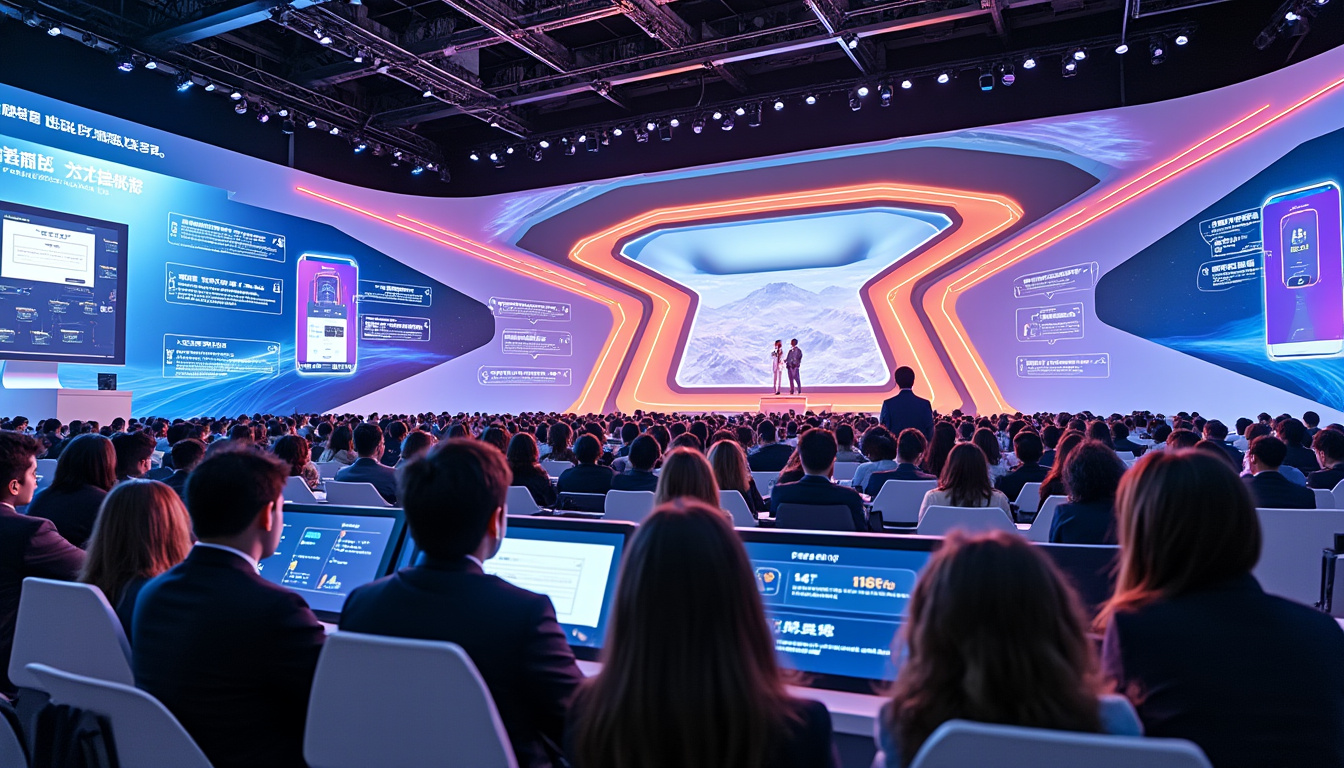
SAP announces launch of intelligent assistant service in Japan, according to Nikkei
SAP, a leader in enterprise software, recently announced a major breakthrough in the Japanese technology landscape with the launch of an intelligent assistant service. This deployment, reported by the business daily Nikkei, marks a significant step in the use of artificial intelligence in the digital services sector. By incorporating innovation and automation technologies, SAP seeks to improve the efficiency of Japanese businesses while helping them adapt to a constantly changing economic environment. This development is not only a matter of technological upgrades, but also a response to the challenges companies face in their quest for digital transformation.
The Context of the SAP Project in JapanTo understand the significance of this launch, it is crucial to recognize the unparalleled context in which SAP operates. The Japanese market is unique, characterized by a strong integration of technology into business processes, while also facing an aging workforce. This duality poses challengesbut also opportunities for businesses.
A Changing Technology Market Japan, while a pioneer in technology, faces unique challenges regardingdemographics. With an aging population, a growing number of retiring workers, and an increased need for automation, it is becoming essential for Japanese businesses to adapt quickly. The emergence of a smaller workforce calls for increasedproductivity. Intelligent assistants are presented as one solution to achieve this goal. SAP
addresses this need by offering solutions that elegantly combine technology with a fundamental need for operational efficiency.Impact of Digitalization on the Japanese Economy Growing pressure for rapid transformation is pushing Japanese companies to reconsider their approach to digitalization. The Japanese government has already implemented initiatives to promote this digital transformation within businesses. With the integration of AI into digital services, SAP offers solutions that not only facilitate this transformation but also improve customer satisfaction and engagement.Expectations for SAP’s Intelligent AssistantThe launch of SAP’s Intelligent Assistant is seen as a direct response to Japanese companies’ growing expectations for automation and artificial intelligence solutions. Many are turning to software capable of analyzing massive volumes of data in real time while providing informed recommendations for process optimization. The hope is that this innovation will enable companies to seize market opportunities faster and more efficiently while reducing operational costs. Features Offered by the Intelligent Assistant
SAP’s new intelligent assistant boasts a rich set of features designed to meet the diverse needs of Japanese businesses. Let’s take a closer look at some of these features.
Predictive Analysis and Recommendations
One of the most notable features of this intelligent assistant is its predictive analysis capabilities. Using advanced algorithms, the software can anticipate user needs and provide proactive recommendations based on user behavior and market trends. This ability to predict outcomes allows businesses to plan more effectively and respond quickly to market fluctuations.
Business Process Automation
Within an organization, automation plays a key role in optimizing daily operations. With the Intelligent Assistant, SAP offers tools to automate repetitive tasks, allowing employees to focus on higher-value tasks. This approach not only reduces errors related to human intervention but also increases overall team productivity. Integration with Other Software Systems Another significant advantage of this offering is SAP’s ability to integrate its Intelligent Assistant with other systems already in place within organizations. Whether CRM systems or human resources management software, this integration facilitates data sharing and communication between different departments, making processes more seamless. Challenges and Future Opportunities While the promise of an Intelligent Assistant is undeniable, it is essential to visualize the challenges that accompany it. The implementation of new technologies such as those promoted by SAP is often hampered by internal and external factors.
Resistance to Change in Businesses
One of the main challenges to overcome is resistance to change. Employees may be reluctant to adopt new technologies, especially if they feel threatened by increased automation of their work. It becomes essential for management to clearly communicate the benefits of the smart assistant to reassure employees about their future role and the impact it will have on their work.
Rapidly Changing Technology
Technology is evolving at an unprecedented pace. Therefore, for SAP’s smart assistant to remain relevant, it will need to be constantly updated and improved. Continued investment in R&D, particularly in the area of
Artificial intelligence
will be essential to keep pace with growing expectations and new innovations. SAP must therefore commit to a cycle of perpetual innovation to meet changing market needs.
Ethical Implications and Data Protection
As the use of AI becomes more widespread, ethical concerns surrounding its use
are becoming increasingly pressing. The collection and processing of user data raises
questions about privacy and security. SAP must skillfully navigate this landscape to ensure not only data privacy but also build trust in its
technologies.
Conclusion and Future Directions
SAP is positioning itself as a key player in the evolving Japanese technology market with its new
Intelligent Assistant service. By integrating
artificial intelligence, the
software
sets a new standard in digital services, capable of transforming the way
Japanese companies manage their operations. As this service is rolled out more widely, it will be interesting to observe the impacts on Japanese businesses and the country’s economy as a whole. The ability to adjust to changing market dynamics with the help of AI could determine the success or failure of many players in the coming years.
An Overview of Intelligent Assistants on the Market
Intelligent AssistantsMain Features Primary UseSalesforce Einstein
Data analytics, personalized recommendationsCRM and sales
IBM Watson
Natural language analysis, machine learning
Customer service, market analysis
Google Assistant
Voice commands, task automation
General use, device integration
Amazon Alexa
Device control, information searches
Smart home, e-commerce
SAP Intelligent Assistant
Predictive Analytics, Process Automation
Business, Operations Optimization
Innovative Visions for the Future of Digital Services
With the launch of this intelligent assistant, SAP is paving the way for a new era of digital services
that promise to improve business operations in Japan. Developing solutions that leverage artificial intelligence can transform challenges such as a shrinking workforce into business opportunities.
Education and Training
To fully leverage the intelligent assistant, the role of education and training cannot be underestimated. Companies will need to invest in training programs to familiarize their employees with the use of AI and associated tools to maximize their benefits. This could include workshops, seminars, and online training modules, allowing employees to adapt more quickly to these new technologies. Collaboration between companies and technology players
Innovation in the field of intelligent assistants is not limited to the technology itself.
It also calls for active collaboration between companies and technology players like
SAP
. By fostering an exchange of ideas and resources, Japanese companies will be able to create tailor-made solutions that meet their specific needs, thus increasing their competitiveness in the global market.Outlook for a New Digital Era As the deployment of intelligent assistants becomes widespread, they can also serve as a springboard for other innovations. The future of digital services will therefore be shaped by this continued integration of
AI into business processes. To this end, SAP must remain attentive to business needs and the technological developments that are required.
Changing Consumer Expectations
Consumers, for their part, also have growing expectations of businesses. With the increasing digitalization of services, personalization is becoming a major challenge. Companies that harness the capabilities of the intelligent assistant to offer a personalized customer experience will have an undeniable competitive advantage.
Service Personalization
Thanks to advanced algorithms, the intelligent assistant can analyze customer behavior and personalize service recommendations. This level of personalization, highly anticipated by consumers, opens new opportunities for businesses looking to strengthen their customer relationships.
Responsiveness and Adaptability
In a world where rapid response is crucial, SAP’s intelligent assistant will enable businesses to respond quickly to customer requests. Whether through the automation of customer support or the optimization of sales processes, the ability to adapt and respond instantly is a significant asset. Customer Service Excellence
By integrating artificial intelligence, companies can significantly improve their customer service. Intelligent assistants offer 24/7 availability, ensuring that customers can obtain help or information at any time, which has become a key criterion for customer loyalty.
Economic Impact of SAP’s Launch
SAP’s initiative in Japan could have significant economic benefits. The development of automation and artificial intelligence solutions not only creates market opportunities but also encourages the growth of new technology companies.
New Partnerships and Collaborations
With the growing interest in AI-powered solutions, new partnerships may emerge between
SAP and other companies, forming an ecosystem conducive to innovation and growth. These collaborations will enrich the company’s service offerings and extend its reach beyond Japan’s borders. To learn more about how other tech giants like Google are reinventing their offerings with similar solutions, see this article on Google and its use of artificial intelligence.
Job Market Impact Analysis
The introduction of intelligent assistants could also have a significant impact on the job market. As certain tasks become automated, new roles will emerge, focused on managing and optimizing existing technologies. Companies must be prepared to support their teams through this transition and consider retraining programs.
Potential for Expansion into Other Asian Markets
The success of SAP’s intelligent assistant in Japan could pave the way for expansion into other Asian markets. With the rise of digital economies in countries like South Korea and China, SAP’s AI technology could resonate favorably and enable the company to establish itself as a key player in the region.Additional Resources and AnalysisTo deepen your knowledge of the impact of AI in digital services, it is essential to refer to recent studies and research. These resources will help you better understand emerging trends and best practices.
Articles to Read
Analysis of Google and its AI-Transformed Services
Cisco and AI in Webex
Google and Its Approach to AI
Webinars and Conferences
Attend webinars and conferences to discuss innovations in AI and automation in
digital services. These events can offer in-depth insights into the future of automation technologies and solutions.
Analyzing Future Trends
Continuous analysis of current trends in AI adoption helps companies anticipate market movements. Industry reports such as those published by Gartner or McKinsey can provide insightful commentary on the future of AI-powered solutions in the enterprise.
Catégories : Non classé
Tags : intelligent assistant, Japan, launch, nikkei, sap