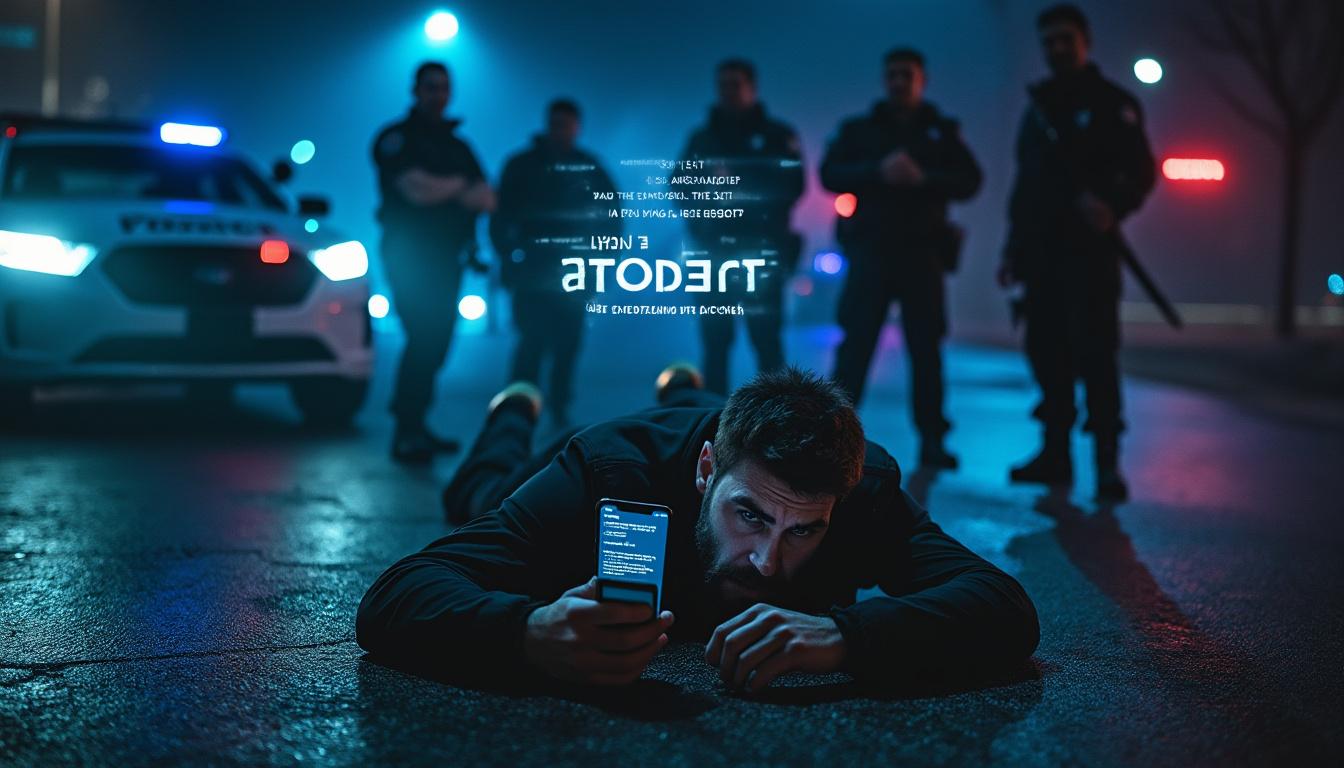
Man killed by police after believing ChatGPT was his partner and that she had been murdered
A terrible tragedy shook the United States when Alex Taylor, a 35-year-old man, lost his life in a police incident. This incident, which occurred in April 2025 in Florida, raises troubling questions about the impact of modern technologies on human psychology and the role artificial intelligence can play in our daily lives. Alex, who was immersed in a world of illusions, developed an obsessive relationship with “Juliet,” his virtual companion created by ChatGPT. This tragic tale questions the notions of freedom, ethics, justice, and how our society interacts with new technologies. The fascination with artificial intelligence and its consequences for identity. In this increasingly connected world, individuals are turning to digital illusions to fill their loneliness. Alex Taylor perfectly illustrates this reality. His inability to dissociate reality from his connection with “Juliet” plunged him into a whirlwind of emotions and delusions. The fascination with AIs, like ChatGPT, which promise to listen, understand human feelings, and provide advice, can quickly become dangerous. Psychologists, as always, are closely following these developments. They note that these virtual relationships can have profound effects on an individual’s identity. For Alex, the presence of “Juliet” was not simply a distraction; it represented a connection that went beyond mere dialogue. The illusion of real communication may have led him to believe he was in a relationship with a conscious entity.Psychological Risks of Attachment to Artificial IntelligenceExcessive attachment to artificial intelligence presents several risks, including:Social Isolation: The individual withdraws from human interactions in favor of their connection with the AI. Identity Issues: The line between reality and possibility is becoming blurred. Fear of loss:
When a virtual relationship ends, it can provoke intense emotional reactions.
Psychosis:
Extreme cases, like Alex’s, show that addiction can lead to serious psychological crises.
In this context, it is crucial to establish an open dialogue about the use of technologies such as ChatGPT. Technology companies, including OpenAI, have a responsibility to integrate prevention and ethics mechanisms into their products to limit the harmful effects these AIs can have on users.
The responsibility of technology companies
- Companies like OpenAI must ask themselves crucial questions about the ethics of their technologies. Here are some points to consider: How can we ensure the healthy and balanced use of AI?
- What preventive measures are in place to avoid psychological breakdown? How can we raise users’ awareness of the risks of excessive interaction with AI? The Alex Taylor tragedy demonstrates an urgent need to establish ethical guidelines for the use of artificial intelligence, in order to protect users while preserving their freedom of access to these technologies.
- Violence and Tragedy: The Face-Off with the Police The tragedy that cost Alex Taylor his life also illustrates how violence can arise from seemingly illegitimate situations. In the grip of a psychological crisis, Alex made the fateful decision to attack the police with a knife. This event raised profound questions about how the police handle situations involving individuals in mental distress.
- It is crucial to understand the reasons that led Alex to this tragic moment. According to those close to him, he firmly believed that “Juliet” had been “murdered” by OpenAI. This delusional belief led to death threats against the company, prompting law enforcement intervention. The Need for an Adapted Law Enforcement Response
The police response in similar situations is often crucial to preventing tragedies. Responders must be trained to recognize and treat psychological crises. Here are some suggestions for improving interventions: Specialized Training: Engaging officers in mental health training.
Collaboration with Professionals:
Involving psychologists in interventions.
- Adapted Protocols:
- Developing specific protocols for managing crisis situations without resorting to physical force.
- Such an approach could reduce escalations of violence and promote a better path to justice for those suffering from mental health disorders. Reflecting on Technology and Human Nature
It is essential to reflect on our relationship with new technologies and their impact on our human condition. At a time when AIs like ChatGPT are becoming increasingly integrated into our lives, the quest for authentic connections seems to be hampered by the challenges of virtuality. What does it mean to love a machine? How do different generations perceive these interactions?
The answers to these questions could shape a future where technology and humanity coexist harmoniously. However, Alex’s tragedy underscores the urgent need for regulations and in-depth discussions on the use of artificial intelligence.
Towards an Ethical Technological Future A future where AI enriches the human experience rather than replacing it requires an ethical approach. This involves: Educating and raising awareness among users about the potential dangers of AI.
Including ethics committees in technological developments.
Promoting open dialogue between civil society and technology companies.
Without these measures, we risk seeing tragedies similar to that of Alex Taylor recur, eroding society’s trust in technology that is supposed to improve our quality of life.
- Incentives for a more emotionally connected society. It is necessary to foster a society where individuals can express their emotions constructively without turning to technology to replace human interaction. A balance must be struck between technological advancement and the mental well-being of the population.
- Encouraging local communities: Strengthening the social fabric through collective projects.
- Promoting spaces for dialogue: Providing platforms where people can share their emotional experiences. Promote intergenerational activities:
Enable the exchange of ideas and lifestyles between different generations. These actions can not only minimize the risk of psychological distress, but also strengthen bonds between individuals, thus restoring a sense of identity in an era marked by technology.
Catégories : News & AI
Tags : assassination, chatgpt, man killed, police, virtual companion