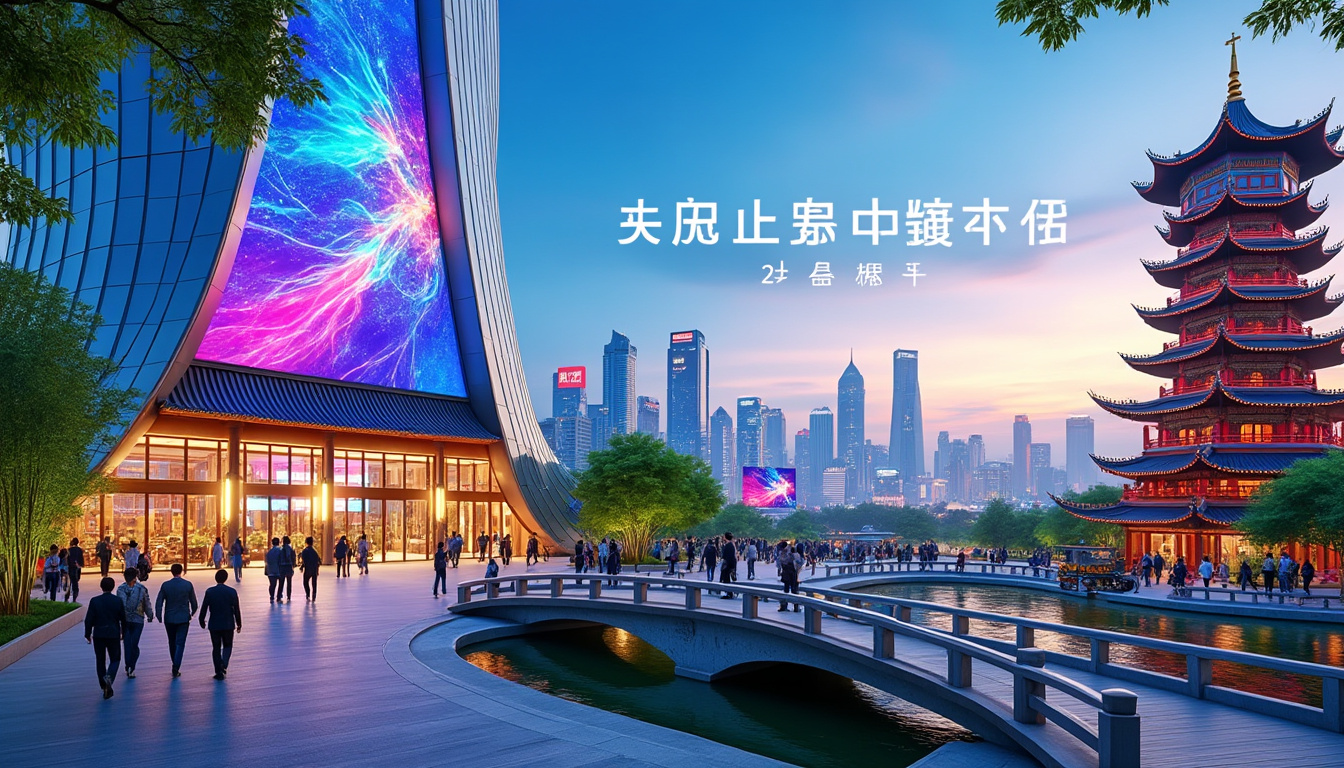
Hangzhou, the Chinese metropolis that rivals Silicon Valley
In 2025, Hangzhou, an iconic city in Zhejiang Province, is positioning itself as a true technology hub, competing with Silicon Valley. Known for its innovations, it is home to giants such as Alibaba and Hikvision, and attracts talent from around the world. At the crossroads of artificial intelligence and new technologies, Hangzhou boasts a dynamic ecosystem capable of rivaling the world’s largest technology centers. The rapid development of this metropolis offers a unique opportunity to explore its impact on the global economy and its growing appeal for investors.
Hangzhou’s meteoric rise: from historic city to technology capital
Located on the famous Silk Road, Hangzhou has always been a cultural and commercial crossroads. Over the past decade, the city has transformed its image into a hub of innovation. Thanks to flagship companies such as Alibaba and Netease, Hangzhou is enjoying strong economic growth, attracting young entrepreneurs and ambitious startups. Hangzhou’s Major Innovation Players
The strength of Hangzhou’s tech ecosystem lies in several key players:
Alibaba
- : A leader in e-commerce, Alibaba has revolutionized the sector with innovations such as mobile payment via Alipay. Hikvision
- : Specializing in video surveillance, this company offers smart security systems. Netease
- : A major player in the video games and internet services sector, it offers a variety of entertainment solutions. DingTalk
- : The collaboration app that facilitates communication between companies. At the same time, institutions such as
Zhejiang University are training the next generation of tech leaders, challenging preconceived notions about innovation centers. A booming ecosystem: startups and innovation
The development of innovative startups has propelled Hangzhou to the forefront of the global stage. Here are some characteristics of this ecosystem:
Access to financing
- : Many investors flock to local startups, attracted by their growth potential. Incubators and coworking spaces
- : Places like DingLing foster exchanges and innovation. Collaboration between companies and universities : Partnerships between private and academic stakeholders lay the foundations for cutting-edge research. Company Business Area
- Economic Impact Alibaba
| E-commerce | Revolutionizing Local Business Practices | Hikvision |
|---|---|---|
| Security | Global Smart Surveillance Systems | Netease |
| Multimedia | Gaming Industry Innovation | DingTalk |
| Business Applications | Facilitating Business-to-Business Communication | This hotbed of innovation serves as a showcase for entrepreneurs, illustrating how Hangzhou, through its ecosystem, attracts talent from across China and beyond. |
| Hangzhou: A Model for Sustainable Technologies | As the planet faces major environmental challenges, Hangzhou stands out for its sustainability initiatives. The company | Trina Solar |
, for example, is committed to promoting solar energy and reducing carbon emissions, establishing the city as a model for sustainable development. Green Initiatives Shaping the Future
Hangzhou’s actions are focused on several objectives:
Energy Transition : Promoting renewable energy and reducing reliance on fossil fuels.Smart City Concepts
: Integrating technology into urban planning to reduce environmental impacts.
Sustainable Mobility
- : Promoting public transportation and electric vehicles to limit the carbon footprint. Collaborations between businesses and local authorities
- To achieve these goals, numerous partnerships have been formed between companies like Foxconn and local authorities. These collaborations enable the implementation of new technological solutions, essential for building a greener and more resilient city. Initiative
- Partner Objective
Renewable Energy
Trina Solar Carbon Emission Reduction Smart Urbanism
| Foxconn | Technology Integration into Urban Planning | Electric Transportation |
|---|---|---|
| Lenovo | Promoting Sustainable Mobility | These initiatives demonstrate Hangzhou’s commitment to adapting its infrastructure to climate challenges while preserving its economic vitality. |
| Challenges to Maintain This Momentum | Despite its successes, Hangzhou must not rest on its laurels. It faces numerous challenges to remain globally competitive. As technology continues to evolve, companies must anticipate and respond accordingly. | Obstacles to Overcome in the Technology Ecosystem |
| One of the major challenges lies in market saturation. Here are some concerns for the future: | Increased Competition | : The technology sector is constantly evolving, with new players emerging regularly. |
Talent Shortage
: Competition for top talent against other regions of the world.
Intellectual Property Protection
: Ensuring the security of innovations to encourage creativity.
Preparing for the Future: Growth and Adaptation Strategies
- To maintain its status as a technology metropolis, Hangzhou will need to encourage continuous innovation. Companies must adopt proactive strategies, both in human resource management and new product development. Strategy
- Description Expected Impact
- Specialized Training Partnerships with Academic Institutions
Strengthening the skills of local talent
Research and development
| Investing more in innovative projects | Accelerating innovation | Internationalization |
|---|---|---|
| Expanding overseas activities | Increasing visibility and attractiveness | These steps will enable Hangzhou to face future challenges while continuing to attract investment and talent. |
| Toward international collaboration: becoming a key player on the global stage | With its growth, Hangzhou is no longer limited to a local ecosystem; it is emerging as an international platform for innovation and technology. Global alliances are essential to solidify this position. | The role of alliances in Hangzhou’s development |
| To penetrate the international market, Hangzhou must establish strong partnerships. Recent initiatives include: | Partnerships with American companies | : Exchanging ideas and technologies with giants like Microsoft. |
Academic cooperation
: Collaborating with foreign institutions to promote research. Technology Importation: Promoting the Exchange of Know-How and Skills.
A Bright Future, but Necessary Precautions
If Hangzhou is to confidently embrace the global stage, it is essential to manage the risks of rapid internationalization. This requires constant adaptation to a constantly changing environment.
International Partner
- Potential Impact Protective Measures
- Microsoft Access to Advanced Technologies
- Legal Protections for Intellectual Property MIT
Innovations in Research
Academic Exchange Frameworks
| Taiwan Semiconductor | Improving Technological Production | Equal Partnerships |
|---|---|---|
| In conclusion, Hangzhou’s future, with its ambitions and initiatives, looks promising. While positioning itself as a technology giant, it must navigate a competitive global landscape with caution. | ||
Catégories : News & AI
Tags : Chinese metropolis, hangzhou, innovation, silicon valley, technology